The northern panhandle of the Okavango Delta supports over 50 lions across 13 prides moving through communal landscapes. Many live along the fringes of the Delta, where living close to cattle increases the risk of conflict following predation.
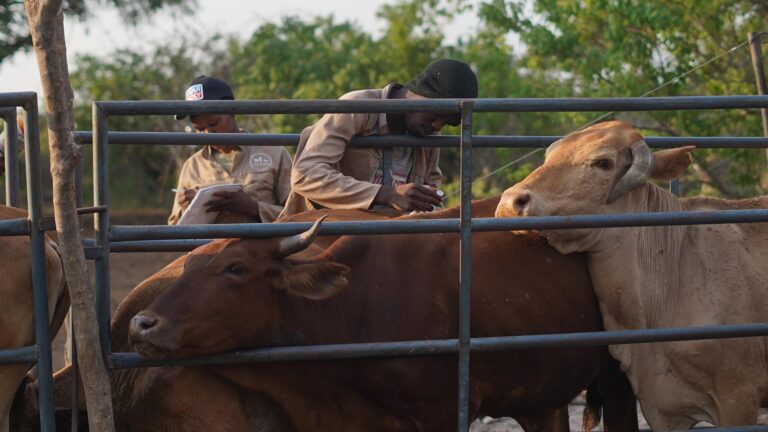
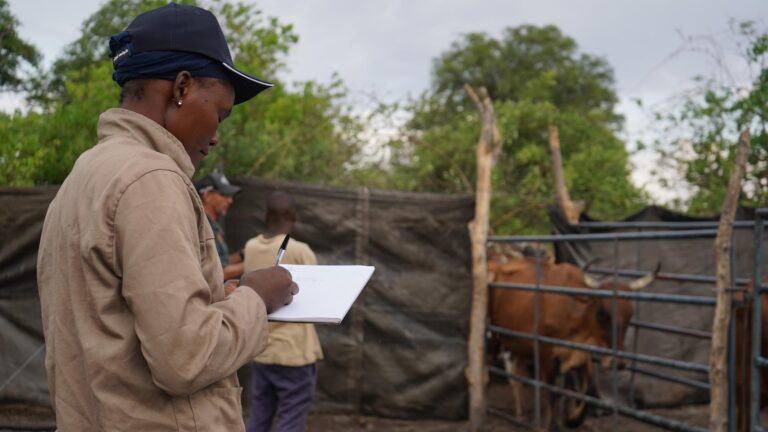
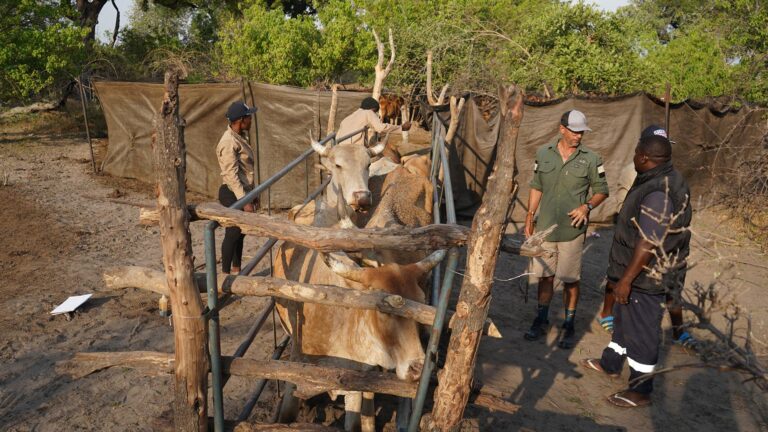
For over five years, Natural Selection has supported Communities Living Alongside Wildlife Sustainably (CLAWS) and its communal herding programme in the villages of Eretsha and Gunotsoga. The programme safeguards cattle, creates local employment, reduces retaliatory killing of lions and supports the recovery of overgrazed land.
In Botswana, CLAWS combines lion tracking with professional communal herding, enabling farmers to adjust grazing decisions before lions and cattle meet. Since 2016, its alert system has sent more than 125,000 warnings, while four communal herding bomas now protect approximately 700 cattle and provide employment for 24 local herders.
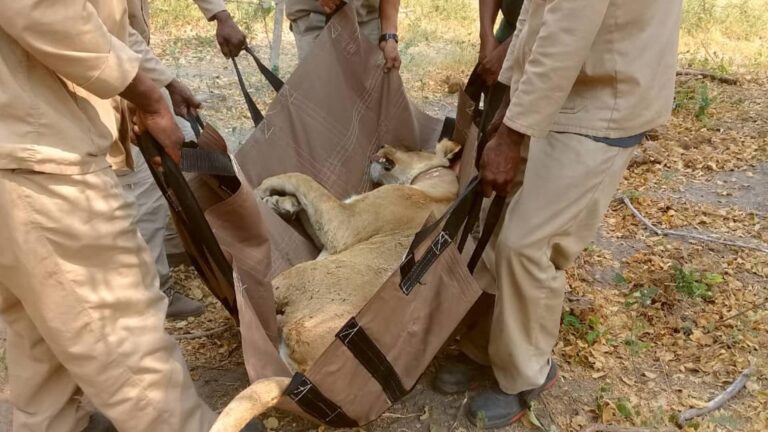
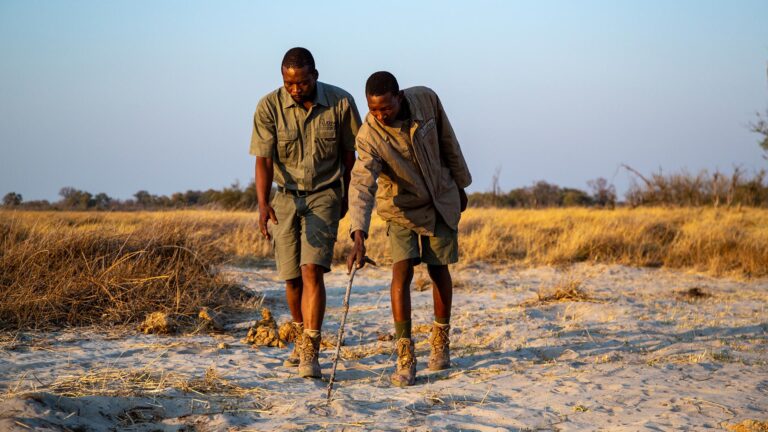
By collaring and tracking lions, CLAWS provides herders with critical information on lion movements, allowing them to proactively manage grazing and reduce encounters between lions, farmers and livestock. This approach combines predator monitoring with a return to traditional herding practices, where livestock are accompanied by trained herders throughout the day.
By strengthening herding practices and aligning predator monitoring with daily decision-making, the programme reduces conflict in shared landscapes, protecting both lions and livelihoods in the Okavango panhandle.